Why Court Coverage Is Essential for Accurate Legal Documentation
Court reporting plays a crucial function in the legal system. It gives an accurate, verbatim document of court process. This precision is necessary for maintaining the stability of lawful processes. Errors in documents can result in significant effects for situation end results. As attorneys significantly depend on these transcripts, recognizing the nuances of court reporting becomes needed. What elements add to the effectiveness of this technique in ensuring justice?

The Duty of Court Reporters in the Legal System
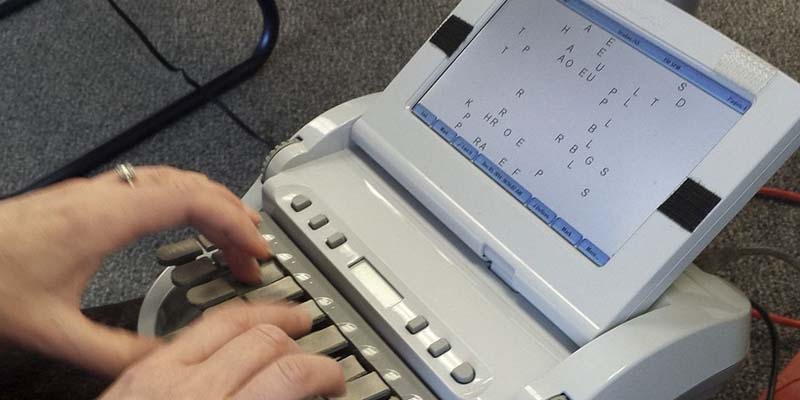
Court press reporters function as the essential web link in between spoken testament and composed document in the legal system. They are accountable for recording verbatim accounts of court procedures, guaranteeing that every word talked is precisely recorded. This transcription comes to be a main document, crucial for appeals, lawful study, and keeping the honesty of judicial procedures. Stenotype reporter use specialized equipment and methods, such as stenography, to facilitate this accurate documentation. Their duty prolongs beyond plain transcription; they should recognize legal terminology and court room treatments to assure clearness and context in their documents. Additionally, stenotype reporter preserve confidentiality and impartiality, adding to the general justness of the legal process. Their work is important for celebrations, courts, and lawyers included in lawsuits, as it supplies a reputable account of process that can be referenced in future legal actions. Through their know-how, stenotype reporter promote the criteria of justice within the legal system.
Making Certain Precision in Legal Transcripts
Keeping precision in lawful transcripts is critical to the honesty of judicial procedures. Stenotype reporter play a vital function in capturing every talked word throughout trials, depositions, and other lawful setups. Their knowledge in stenography and experience with lawful terms assurance that records mirror the exact dialogue and subtleties of the instance. Any kind of mistakes or noninclusions can lead to false impressions, which might negatively affect the results of lawful disagreements.
To accomplish this degree of accuracy, court press reporters utilize advanced innovation and rigorous training to boost their transcription abilities. They additionally participate in thorough evaluation processes, cross-checking their benefit precision prior to finalizing documents. In addition, ensuring proper context and speaker identification adds another layer of dependability to the records. Inevitably, precise legal records function as foundational documents that promote the justice system, allowing all parties entailed to rely upon an exact record of process.
The Value of Real-Time Reporting
Real-time reporting has actually become a significant development in the field of court coverage, improving the effectiveness and accessibility of lawful proceedings. This modern technology permits court press reporters to transcribe spoken discussion instantly, giving immediate accessibility to records for lawyers, judges, and various other lawful workers. With real-time reporting, individuals can quickly assess statements and arguments, helping with even more enlightened decision-making throughout process.
In addition, this capacity is specifically advantageous in intricate cases where fast understanding of information is necessary. It promotes clearer interaction among all celebrations, minimizing the likelihood of misunderstandings. Additionally, real-time transcripts can be shared remotely, profiting those incapable to go to personally, consequently widening access to justice. As look here legal atmospheres end up being significantly dynamic, the function of real-time coverage in guaranteeing prompt and precise info circulation can not be overstated, making it an essential tool in modern-day court reporting techniques
Legal Documentation and Its Effect On Situation Outcomes
Effective legal documentation plays a vital duty in shaping case outcomes, since it works as the structure whereupon lawful disagreements are developed. Precise records guarantee that all relevant facts, testimony, and evidence are clearly presented, allowing lawyers to create compelling cases. Errors or noninclusions in documentation can lead to misconceptions, which might detrimentally impact the court's choice.
In addition, efficient documents assists in effective situation management, making it possible for lawyers to swiftly reference vital info during procedures. Juries and courts count heavily on recorded evidence to comprehend the context and subtleties of a case. As a result, the quality of lawful documents directly affects the trustworthiness of debates offered in court.
Inevitably, thorough and precise lawful documentation not just boosts the opportunities of positive results however also supports the stability of the lawful process, ensuring that justice is offered properly and fairly.
Innovations in Court Reporting Innovation
As technology proceeds to progress, developments in court coverage have actually greatly transformed exactly how legal the original source paperwork is created and taken care of. Technologies such as real-time transcription software program allow stenotype reporter to deliver instant access to transcripts, enhancing the efficiency of legal procedures. Digital recording systems have also emerged, supplying a reputable back-up to standard methods, while expert system is progressively being incorporated into the documents procedure, enhancing accuracy and lowering human mistake.
Moreover, cloud-based systems promote secure sharing and storage of court papers, making certain that lawful teams can access needed documents from anywhere. Remote court reporting has actually ended up being commonplace, enabling attorneys to join procedures despite geographical place. These technological developments not only streamline the court reporting procedure yet additionally boost the total stability of lawful documentation. As a result, the legal area is much better equipped to meet the demands of modern litigation, ensuring that justice is offered successfully and properly.
Regularly Asked Concerns
What Qualifications Do Court Reporters Usually Need?
Stenotype reporter typically need a secondary school diploma, specialized training in court reporting, and effectiveness in shorthand or voice writing. Certification and licensure demands vary by state, improving their credibility and making sure professional criteria are satisfied.
Exactly How Do Court Reporters Maintain Privacy?
Court reporters preserve discretion by adhering to stringent ethical guidelines, using safe and secure techniques for keeping and sending transcripts, and making sure delicate details is shared only with authorized people involved in the legal procedures.
Can Court Reporters Operate In Other Settings Besides Courts?
Court reporters can without a doubt operate in different setups past courts, including depositions, company meetings, and legal assemblies. Their skills in catching talked language properly make them valuable in any type of setting requiring exact documents.
What Is the Average Income of a Stenotype Reporter?
The typical income of a stenotype reporter varies commonly, commonly varying from $50,000 to $100,000 important site each year, relying on aspects such as experience, area, and the certain market in which they are utilized. (durham court reporting)
For how long Does It Take to Come To Be a Qualified Court Press Reporter?
Court press reporters serve as the vital link in between spoken testament and composed document in the lawful system. In addition, court press reporters maintain privacy and impartiality, adding to the total fairness of the legal process. Advancements such as real-time transcription software allow court reporters to provide instantaneous accessibility to transcripts, improving the effectiveness of legal process. Court press reporters generally require a high college diploma, specialized training in court coverage, and effectiveness in shorthand or voice writing. Court reporters can certainly work in different settings beyond courts, consisting of depositions, service conferences, and legal settings up.
Comments on “durham court reporting and Its role in Protecting Legal Rights”